
The Moral of the Work
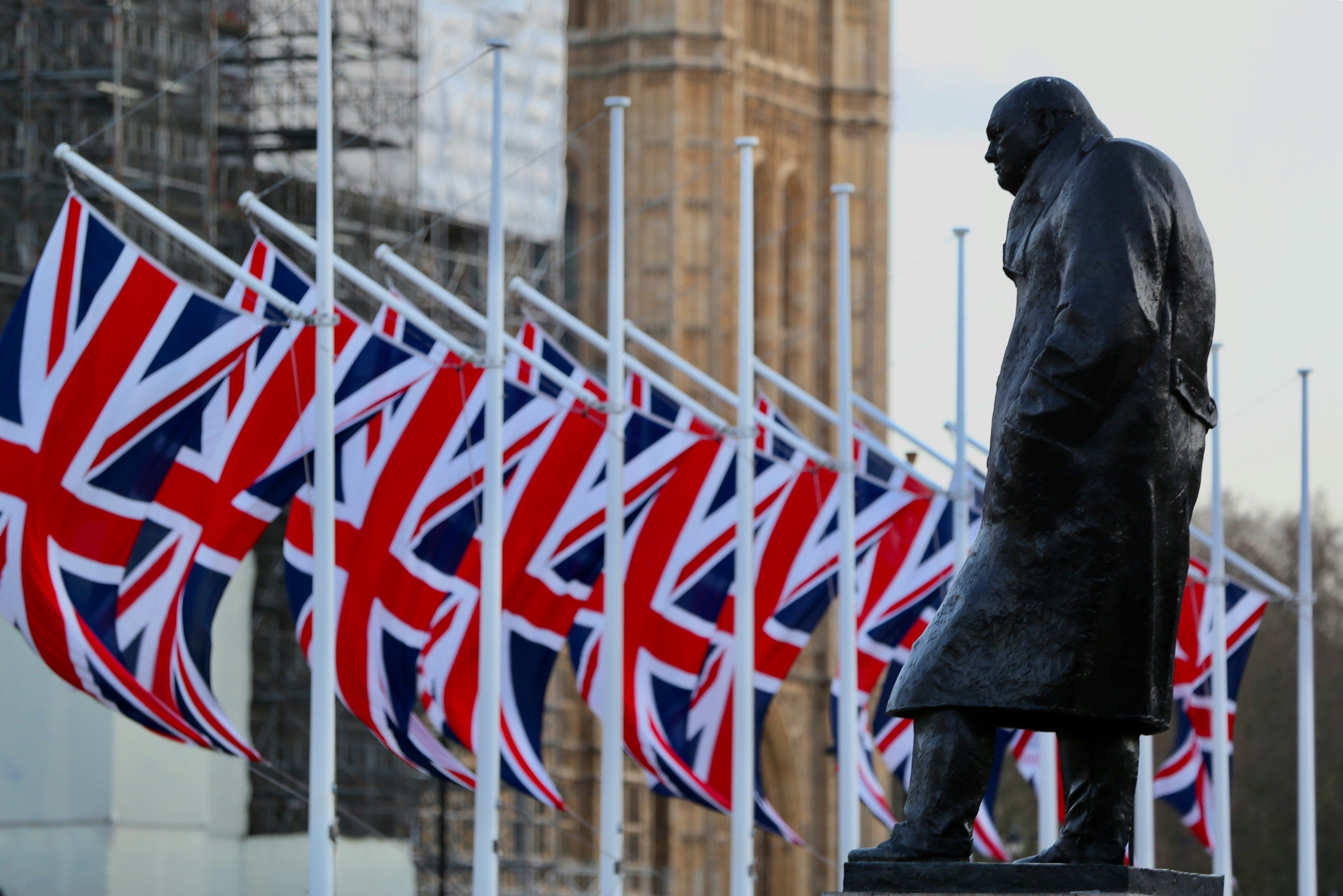
In London in June, I dropped by the War Rooms, under Whitehall, where Churchill and his War Cabinet masterminded the defeat of Nazi Germany. That visit intrigued me enough to buy the six volumes of Churchill’s “The Second World War.”
When I opened the first volume, these words appeared:
In War: Resolution.
In Defeat: Defiance.
In Victory: Magnanimity.
In Peace: Goodwill.
My first reaction: that’s superb. A poetic mantra, suited to a Victorian era, Empire-building militarist turned politician. All of which Churchill was.
But he was also someone whose most powerful tool was never the bayonet, the tank, or the battleship. It was words. Some of the best non-profits have “morals” that are as elegant. Lifeblood’s moral is, “Life-giving donations for life-changing outcomes.” TED’s is simpler still: “Ideas Change Everything.”
Churchill remains the only Prime Minister ever to win the Nobel Prize for Literature. Historians agree he didn’t win the war alone, but he successfully used his sharp pen and “moral of the work” to win the storytelling about it.
Question: What few words tell the ‘moral’ of your work most powerfully?
Just Four Things
A while ago I was running a strategy retreat with a client and we got to the final session where we discussed results: what future success would look like. The only problem was that I’d run over time and we had a mere half hour remaining.
So, I suggested something risky.
I said this: “We have 30 minutes. I want you to use half of that time, in groups, to propose four — just four — promises that you, as a board, want to make. You don’t need to specify measures, or targets: just say what success looks like”.
This was an organisation that prevents youth homelessness and they came up with the following:
Hundreds of young people have stable tenancies.
Government increases funding for youth homelessness.
Our clients are deeply satisfied with how we support them
Young people housed by us go on to education and employment
One group, within 15 minutes, even came up with measures and targets!
This ‘forced experiment’ told me that insight-driven strategy is not just possible, but preferable. Since then, I’ve used this artificially time-constrained approach with dozens of clients, ranging from universities, to legal services, from hospitals to an entire state’s justice department.
But, why does this work?
Constraint forces prioritisation before justification. Give a board unlimited time and they’ll hedge everything with caveats, data, and stakeholder sign-off before committing. Give them thirty minutes and they have to say what they actually believe first, and defend it later.
That’s not a time-management trick; it’s a sequencing one. Most strategy processes ask people to build the evidence base before naming the destination. This flips it: name the destination, then go build the case.
Question: What are the ‘big four’ promises that you want to lay claim to as an organisation?
Widen the Frame
My son, Jasper, seventeen, told me this week that AI’s water use is nothing next to a company like Nestlé’s.
Really? That’s easily fact checked.
First pass: he’s wrong. Nestlé’s factory figures tell me that AI’s footprint is several times larger.
Case closed.
Except it wasn’t.
Widen the frame to all the water it takes to grow all that coffee and cocoa, and he’s not just right. He’s undersold it. Against agriculture globally, AI’s water use is closer to a rounding error than a crisis. (If you’re curious about the numbers: 70% of all water goes to irrigation, while a fraction of 1% is consumed by data centres).
And, this week I had my own version of this in a room of aged care executives.
We were mapping the youngest age people enter their retirement villages, mid-fifties, against the oldest age in residential care, over 100. Their offerings span the entire 50-year second half of a long lifespan.
That single fact reframed the target audience, the service links, everything.
Question: What's the frame you haven't widened yet?
Sometimes less is more, and sometimes more is less. Enjoy this week calculating which is which and I’ll see you next Friday.
Something that’s almost nothing is clicking the heart, to let me know you’re out there, so please do.
Andrew
Good morning Andrew. "Making Fairness Real" is the new ambition for Life Without Barriers. That is the moral of our story. It has been released internally, stay tuned for the public release.
When I teach creative masterclasses one of the first things I do is ask the students to describe their project in no more than three sentences. These long rambling ideas suddenly become succinct concentrated encapsulations of what they really want to write. It's a tiny trick but it saves so much time talking around in circles and tangents.